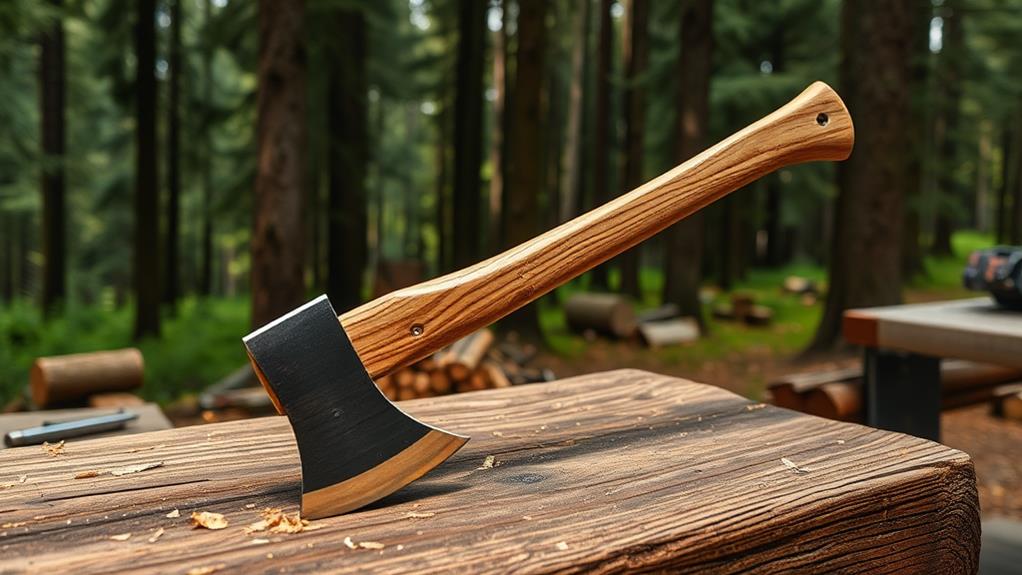
The top three essential hand tools for logging are a chainsaw, felling axe, and logging wedge. You’ll rely on the chainsaw for efficient cutting; ensure you maintain it by checking the chain tension and cleaning the air filter. The felling axe provides precision to fell trees; keep the blade sharp and handle secure. Lastly, the logging wedge aids in directing the tree’s fall, and its safety depends on proper placement during felling. Mastering these tools will enhance your logging efficiency and safety. To uncover best practices and tips for using these tools effectively, keep exploring.
Table of Contents
Chainsaw
When it comes to logging, how can you overlook the importance of a chainsaw? This powerful tool is essential for cutting through timber efficiently and effectively.
To get the most out of your chainsaw, you need to focus on two critical aspects: chainsaw maintenance and chainsaw safety.
Regular chainsaw maintenance keeps your tool in peak condition. Always check the chain tension before use; a loose chain can lead to accidents and inefficient cutting. Clean the air filter and inspect the bar for wear. Keeping your chainsaw sharpened ensures smoother cuts and reduces strain on the motor.
Equally important is chainsaw safety. Always wear protective gear, including gloves, goggles, and a hard hat. Familiarize yourself with the chainsaw’s features and operating procedures; understanding how to handle the tool reduces the risk of injury.
Before starting your chainsaw, ensure your work area is clear of obstacles and bystanders.
Felling Axe
A felling axe is an indispensable tool for any logger, offering precision and power for taking down trees. When you wield it correctly, you can execute effective felling techniques that ensure a clean cut and minimize damage to surrounding vegetation.
A well-designed felling axe features a sharp, heavy head that allows for deep penetration into the wood, enabling you to control the direction of the fall.
To maximize your axe’s performance, focus on proper axe maintenance. Keep the blade sharp to reduce effort and improve accuracy. Regularly inspect the axe for any signs of wear or damage, and always ensure the handle is securely attached. A loose handle can lead to accidents, so check it frequently.
When applying felling techniques, consider the tree’s lean and surrounding obstacles. Position yourself safely and use a series of precise swings to create a notch, directing the tree’s fall. Remember to stand clear when the tree begins to topple.
Investing time in mastering the felling axe not only enhances your logging skills but also liberates you from reliance on power tools, giving you greater control over your craft.
Logging Wedge
Using a felling axe is often just the beginning of effective logging; incorporating a logging wedge can significantly enhance your felling efforts. A logging wedge helps control the direction of a falling tree, ensuring it lands safely and accurately.
Understanding the different wedge types—plastic, metal, and wooden—can help you choose the right one for your needs.
Plastic wedges are lightweight and resistant to wear, while metal wedges offer durability and strength for larger trees. Wooden wedges, though traditional, may not provide the same level of control.
When using a logging wedge, wedge safety is paramount. Always insert the wedge into the cut as the tree begins to fall, providing an extra push to guide it in the desired direction.
Keep a safe distance and ensure your escape route is clear before proceeding.
Frequently Asked Questions
What Safety Gear Should I Wear While Logging?
When you’re logging, prioritize safety by wearing protective equipment like hard hats, gloves, and eye protection. These essentials enhance logging safety, helping you avoid injuries and ensuring you can work confidently in the forest.
How Do I Maintain My Hand Tools for Longevity?
Imagine your tools gleaming under the sun. To ensure longevity, focus on regular tool cleaning and rust prevention. Wipe them down after use, store them dry, and apply protective oils to keep them functional and ready.
What Are the Best Practices for Transporting Logs?
When transporting logs, ensure proper log handling techniques and select suitable transportation methods. Secure the logs to prevent shifting, use appropriate trailers for weight, and always follow local regulations to maintain safety and efficiency during transport.
How Can I Improve My Felling Technique?
Improving your felling technique starts with mastering felling angles and practicing technique drills. Experiment with various angles to enhance efficiency and safety, and regularly hone your skills to gain confidence and precision in your cuts.
Are There Any Legal Regulations for Logging in My Area?
You need to check your local ordinances regarding logging permits. Each area has specific rules governing logging activities, so ensure you’re compliant to avoid fines or legal issues while pursuing your logging projects effectively.
Conclusion
In logging, the right tools make all the difference. With a chainsaw’s powerful bite, a felling axe’s precise swing, and the logging wedge’s sturdy support, you’re equipped for success. These essentials aren’t just tools; they’re your partners in the wild. Remember, efficiency and safety go hand in hand. So, gear up, stay sharp, and let your skills shine—after all, in the forest, it’s not just about what you cut, but how you cut it.